04 / HIDDEN LEAKS
The drafts you cannot see
Doors and windows are the ones you notice. The attic hatch, the wall cavity behind an outlet and the joint behind the trim are the ones doing the damage.
Start with how to find drafts in your house — five tests, no equipment, about an hour.

We earn a commission on some links here, at no extra cost to you. It does not change what we recommend or the order they appear in. How we are funded
Everything in hidden leaks
Roundups first, then the type comparisons, then the how-to guides.
Roundup / Best outlet gaskets
The best outlet gaskets, and an honest word on what they fix
Two minutes and a screwdriver per outlet — genuinely worth it on exterior walls, and honestly small.

Top pick: Frost King OS6H Foam Outlet and Switch Sealers, 2-1/2 in x 4 in
Roundup / Best foundation vent cover
The best foundation vent covers for a cold floor
Cold floor over a crawl space? Covers help — but only after you have checked which kind of crawl space you have.
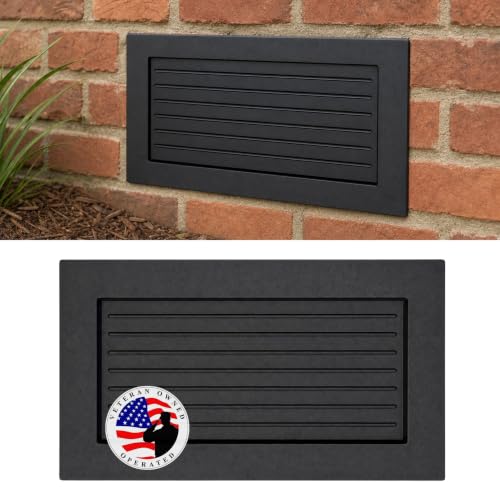
Top pick: Kensal Home Recessed Foundation Vent Cover, fits 8 x 16 in, 0.25 in depth
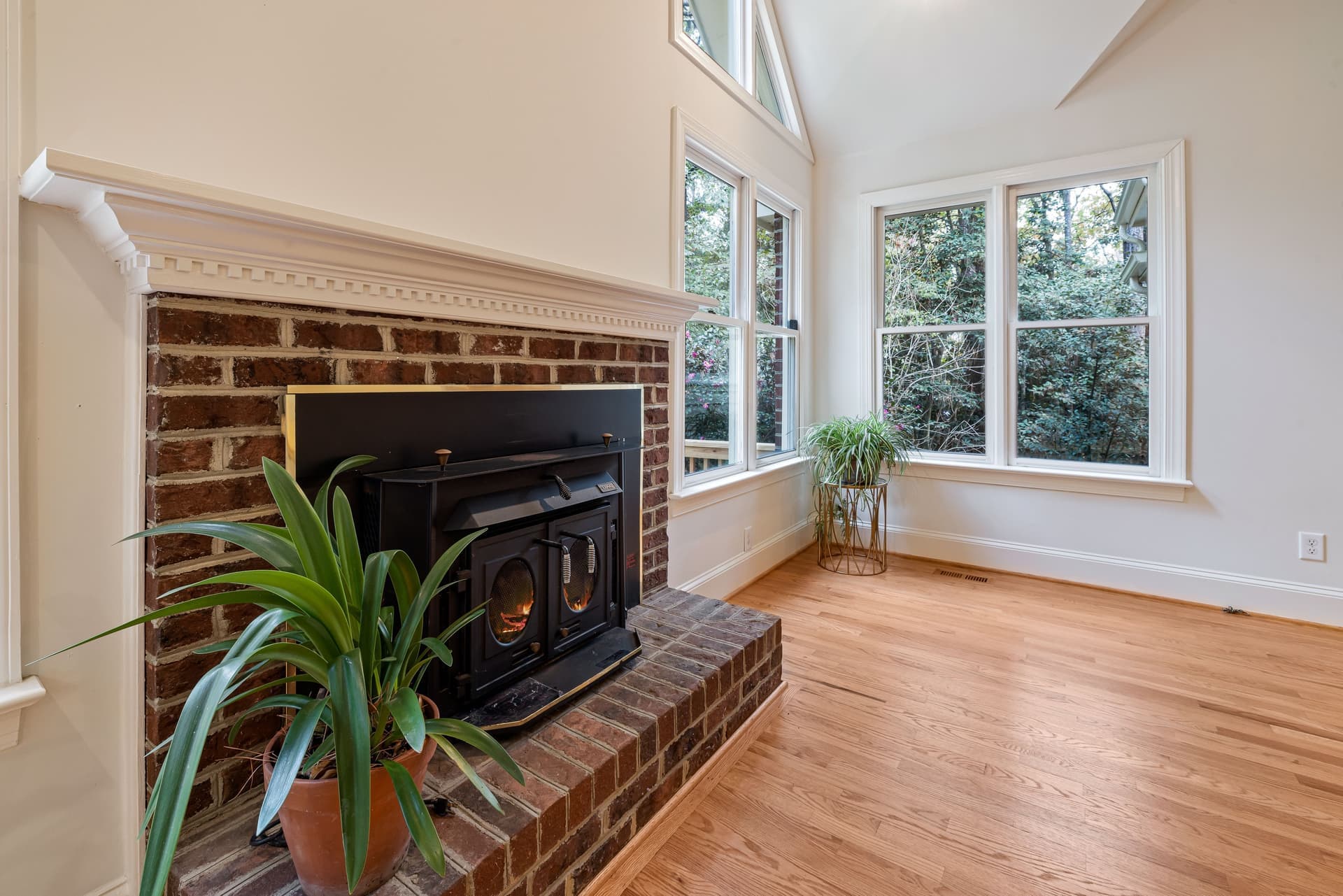
Roundup / Best fireplace draft stopper
The best fireplace and chimney draft stoppers
An open damper pumps heated air out all winter. Flue plugs, magnetic blankets, and the one safety rule that governs the whole category.

Top pick: CADARA Magnetic Fireplace Draft Blocker Blanket, 33 x 29 in
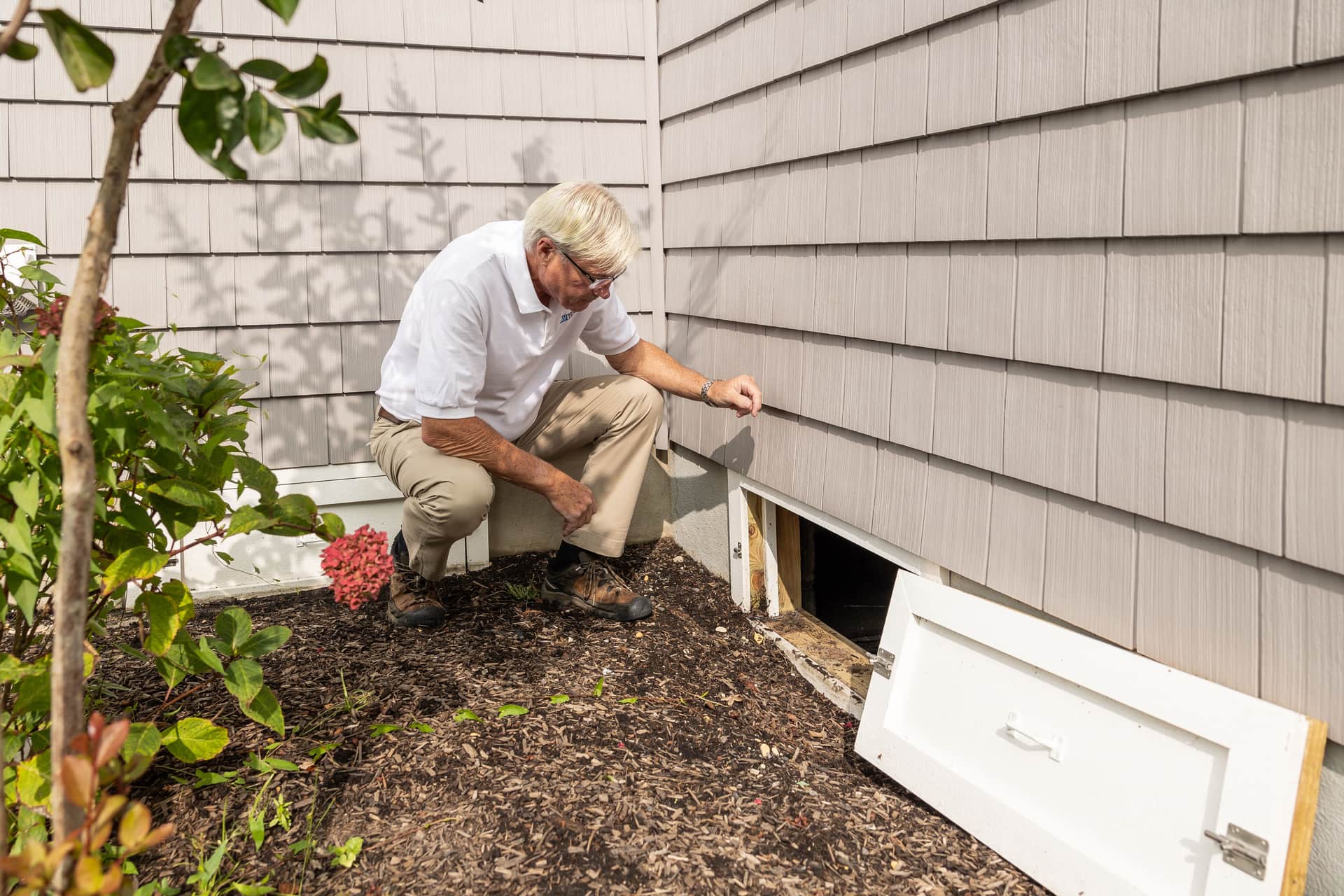
Roundup / Best crawl space access door
The best crawl space access doors, matched to your opening
The hatch is not a vent, so there is no moisture trade-off — it should simply shut. Doors matched to published opening sizes, and how to measure yours.

Top pick: Crawl Space Door Systems Insulated Access Door, fits 16 x 24 in openings
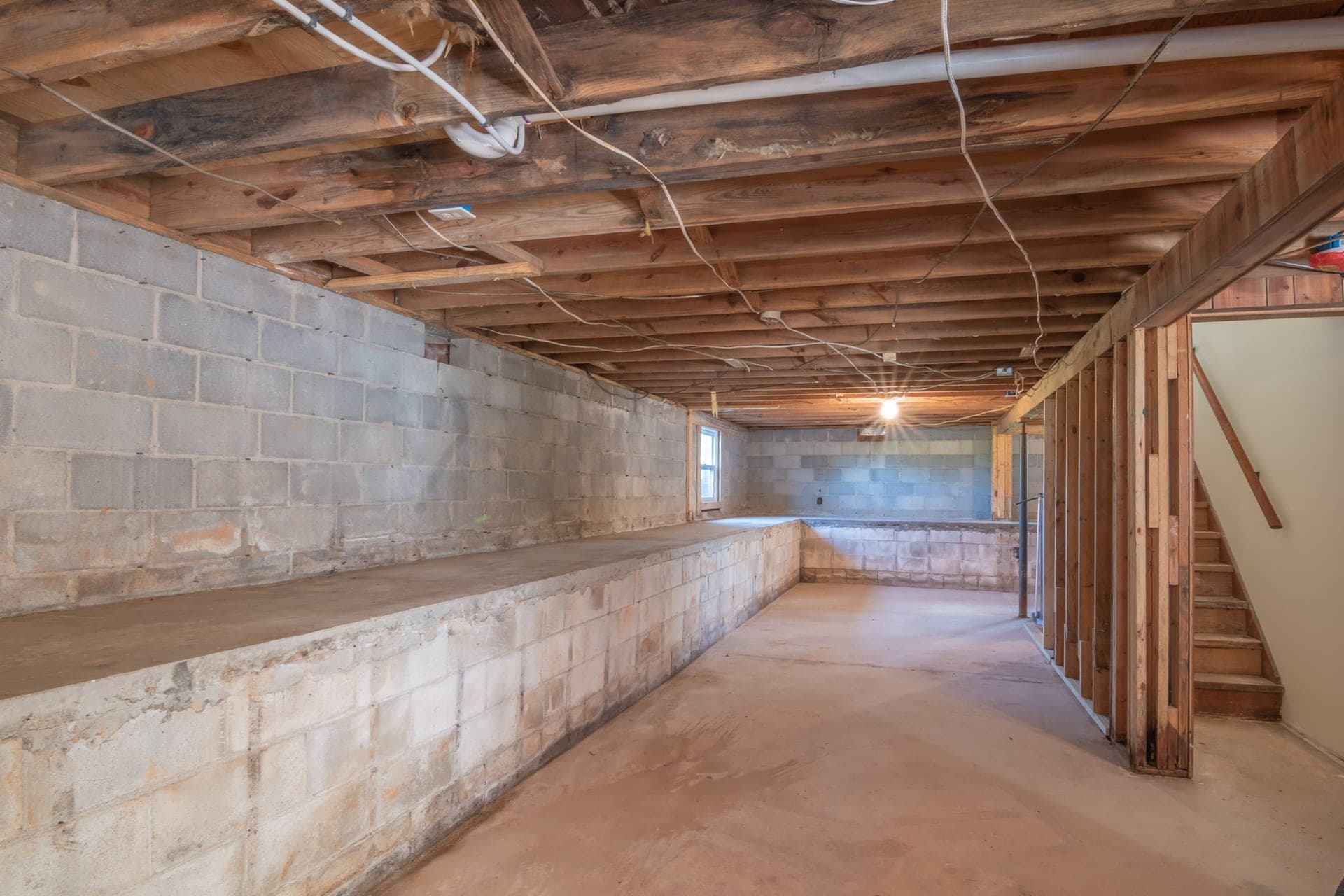
Roundup / Best rim joist air sealant
The best rim joist air sealing products, and how much foam the job actually takes
The longest continuous air leak in most houses. Which can of foam, and how much the job really takes.

Top pick: Great Stuff Smart Dispenser Gaps and Cracks Insulating Foam Sealant, 12 oz



Once the doors and windows are sealed and the room is still cold, this is where the rest of it is. Not in one dramatic hole, usually, but in a dozen small ones plus one large one nobody has looked at: the hatch into the attic.
The reason these matter more than their size suggests is the stack effect. Warm air rises and escapes at the top of the house; an equal volume of cold air is pulled in at the bottom to replace it. Which means the draft you feel at ankle height in the hallway can be caused by a hole in the ceiling. Seal the bottom and the same volume still comes in through a different gap. Seal the top and the whole pump loses pressure.
Find them first — it is an hour with an incense stick
- 1Close every exterior window and door, and close the fireplace damper.
- 2Turn off the furnace and any other combustion appliance.
- 3Run the bathroom extractor fans and the range hood. The house is now slightly depressurized and every gap is pulling inward.
- 4Move a lit incense stick slowly along door and window frames, the attic hatch, baseboards, exterior-wall outlets, and where pipes enter under sinks.
- 5Watch the smoke column, not the stick. Where it bends, air is coming in. Mark it with tape and keep going.
What you will find, and what closes it
| Leak | Typical size | The fix |
|---|---|---|
| Attic hatch or pull-down stair | Often the biggest in the house | Perimeter bulb seal plus a latch or weight |
| Fireplace damper, open or warped | Very large when open | Close it; check it seats. A chimney draft stopper if the fireplace is unused |
| Joint behind door and window trim | Medium to large | Backer rod and caulk |
| Rim joist in the basement | Large, and rarely looked at | Minimal-expanding foam or rigid board plus sealant |
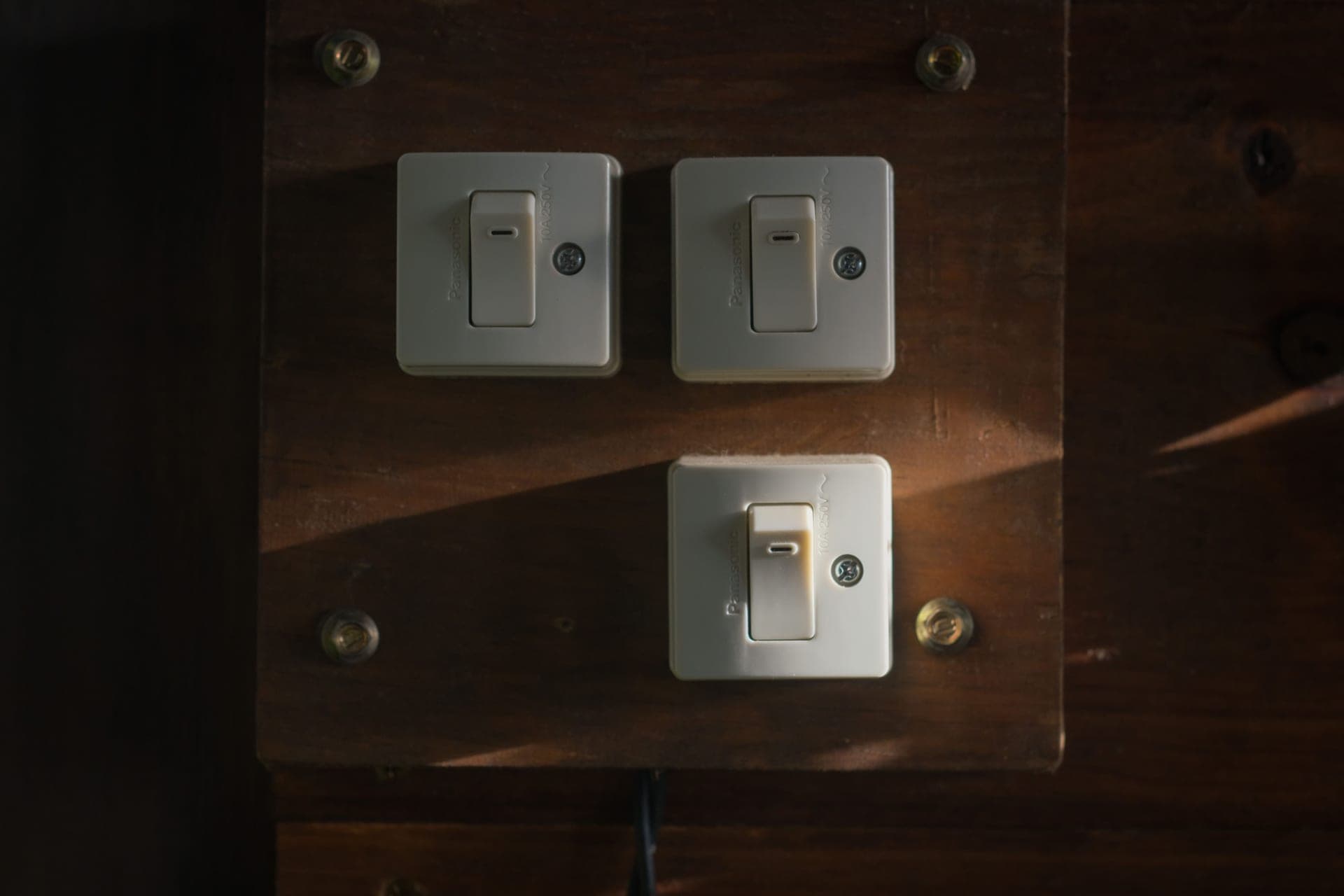
| Outlets and switches on exterior walls | Small, numerous | Outlet gaskets |
| Pipe and cable penetrations | Small, numerous | Caulk, or foam for larger holes |
| Recessed lights in a top-floor ceiling | Small each, badly placed | Airtight-rated fittings; not a DIY seal-over job |
The attic hatch deserves its own paragraph
On a great many houses it is a sheet of plywood resting in a frame, with no seal and no insulation, sitting at the exact point where the stack effect is strongest. It is the closest thing to a free win in this whole category: a perimeter bulb seal so the panel closes onto something, and a latch or a weight so it stays down.
The attic section is now built: attic hatch and stair covers for the opening, and attic hatch weatherstripping for the perimeter joint that no cover closes.
And the fireplace
An open damper is a permanent opening to the sky, and a warped one is nearly as bad. Check yours closes and seats. If the fireplace is genuinely never used, a chimney draft stopper is a real fix — with one absolute rule: leave an unmissable reminder that it is in place, because lighting a fire under an inflated chimney balloon is dangerous. A full fireplace section with product picks is planned rather than shipped, for the same reason as the attic: we would rather publish nothing than publish a thin page.
What not to seal
- Combustion air supplies. Anything that feeds a furnace, boiler or water heater.
- Deliberate ventilation. Trickle vents, extractor ducts, crawlspace vents where they are required.
- Inside electrical boxes. Seal around the box, never inside it.
- Weep holes in window and door frames, and the drainage slots in a sliding door track.
If you have any fuel-burning appliance and you are sealing seriously, a carbon monoxide alarm is not optional. The goal is to close the accidental holes, not the intentional ones.
Questions people actually ask
- How do I find air leaks I cannot feel?
- Depressurize the house by running the bathroom and kitchen extractor fans with the windows shut, then trace a lit incense stick around frames, the attic hatch, baseboards and outlets. The smoke shows movement your hand cannot feel.
- Are outlet gaskets worth fitting?
- On exterior walls and walls shared with an unheated garage, yes — cheap, quick and a real air path. On interior walls between heated rooms they do nothing. They are also a small fix compared with the attic hatch or the garage door.
- What is the biggest hidden air leak in a house?
- Usually the attic hatch or loft access: unsealed, uninsulated and sitting exactly where the stack effect pulls hardest. The rim joist in the basement is the common runner-up.
Sources
- Frost King — outlet and switch sealers, published material and UL listing
- Frost King — caulk saver backer rod, published sizing
Every specification on this page traces to a published manufacturer or retailer listing. Where a maker publishes no working gap range, we say so rather than estimating one.