03 / GARAGE
Garage door seals: the biggest hole in most houses
A quarter-inch gap along a sixteen-foot door is more open area than every window in the building. It is also one of the cheapest things here to close.
Start with the daylight test in bottom seal vs threshold seal. It decides your entire purchase in thirty seconds.

We earn a commission on some links here, at no extra cost to you. It does not change what we recommend or the order they appear in. How we are funded
Everything in garage
Roundups first, then the type comparisons, then the how-to guides.

Roundup / Best bottom seals
The best garage door bottom seals
Rubber and EPDM seals by published length and fixing type, plus the case where a bottom seal is the wrong buy.

Top pick: M-D Building Products 03749 Rubber Garage Door Bottom Seal, 16 ft

Roundup / Best threshold seals
The best garage door threshold seals
Floor-bonded strips for a slab that dips or slopes, with published load ratings and the prep that decides the bond.

Top pick: Storm Shield Garage Door Threshold Seal Kit, 16 ft

Roundup / Best threshold adhesive
The best adhesive for bonding a garage door threshold
Use the adhesive in your kit. When you cannot, the polyurethanes whose makers publish both concrete and PVC.
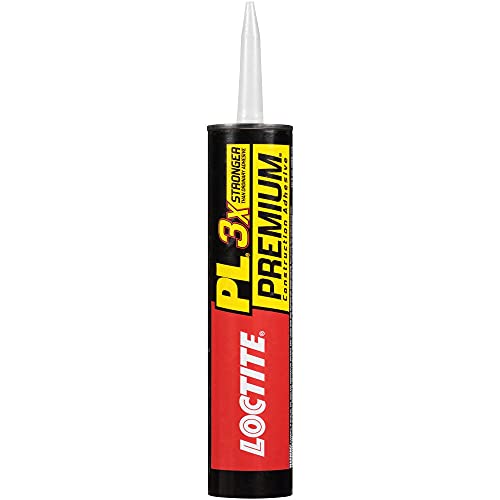
Top pick: Loctite PL Premium Polyurethane Construction Adhesive, 10 fl oz
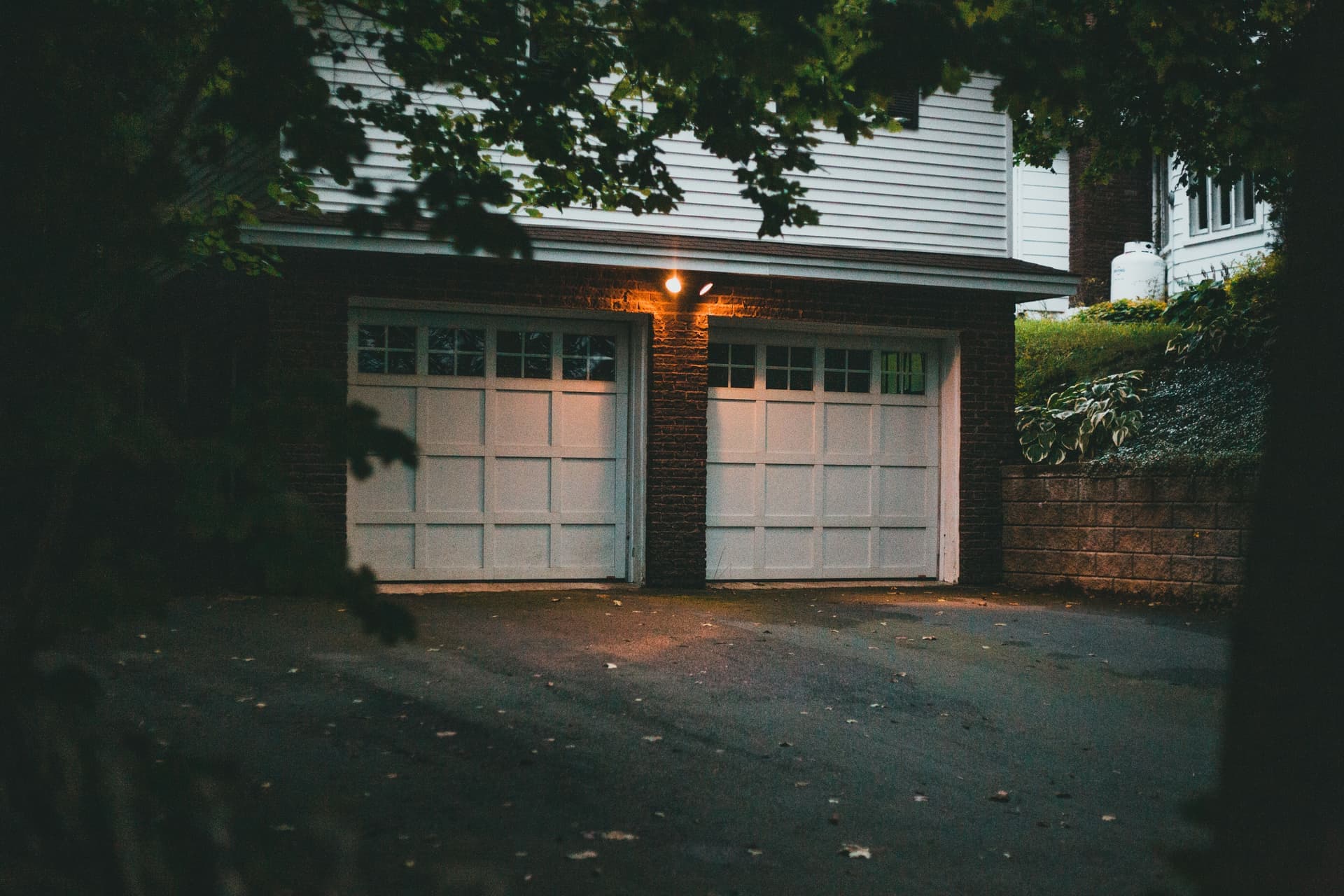
Roundup / Best garage perimeter seal
The best garage door side and top seals
The three edges people skip after doing the bottom. What each roll publishes, and how much length a single and a double opening really need.

Top pick: Randall V-37 Garage Door Weatherstrip, Dual Vinyl, 7 ft
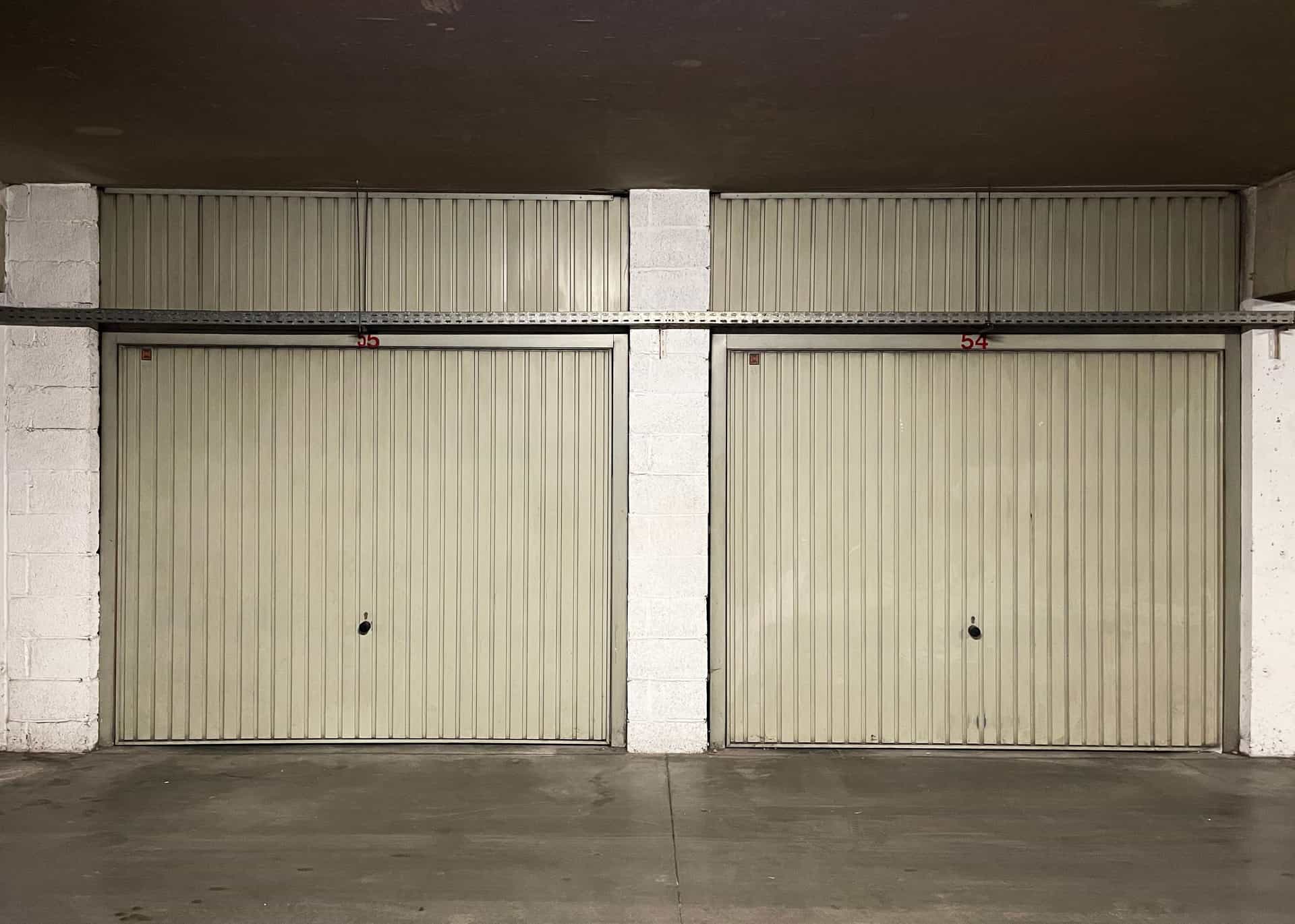

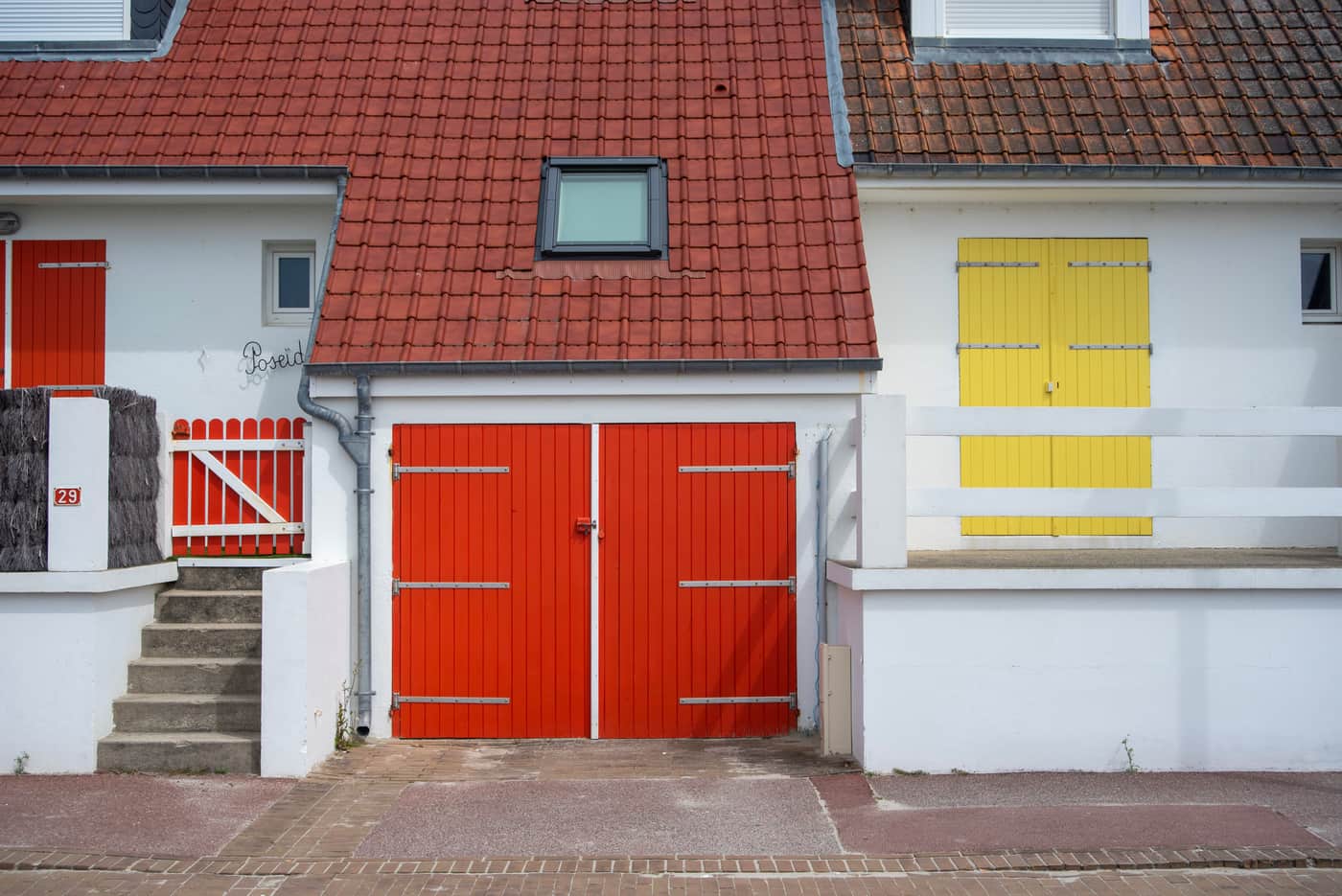
Do the arithmetic once and this hub stops feeling like an afterthought. A quarter-inch gap running the width of a sixteen-foot door is forty-eight square inches of permanently open hole — larger than most bathroom extractor vents, and open twenty-four hours a day. If the garage is attached to the house, that cold space shares a wall, a ceiling and usually a door with rooms you are paying to heat.
Garage sealing is also unusually satisfying because the parts are cheap, the gaps are visible, and the improvement is immediate. Most of a garage's leakage is at four places, and all four are reachable from a step ladder in an afternoon.
The four leaks, in order of size
- 1The bottom of the door. The biggest one, and the one everybody knows about. Either the door's seal has perished — bottom seals — or the floor is uneven, which needs a threshold seal instead, bonded down with the right adhesive.
- 2The jambs and header. A visible strip of daylight down at least one side on most garages. Cheap to fix and almost universally skipped: side and top seals.
- 3The door into the house. Specified as an interior door, thermally an exterior one, and often the leakiest door you own: drafty door to the garage.
- 4The person door to the yard, if you have one. An ordinary exterior door with an ordinary fix: door sweeps.
The decision that trips everyone up
Close the door on a bright day, stand inside with the lights off, and look along the bottom edge at floor level.
- An even line of light across the whole width — the seal on the door is worn. A bottom seal will fix it.
- Light in the middle only, or at one corner only — the slab dips or slopes. A bottom seal cannot fix this, because the door's bottom rail is straight steel and the floor is not. You need a threshold seal bonded to the concrete.
- No light, but water still comes in — the driveway or apron drains toward the garage. A threshold helps; drainage outside the door helps more.
This is the single most common wasted purchase in the category: two bottom seals bought in succession for a problem neither could solve. The full comparison is here, and the measurement method for a dipped slab is in garage door seal for an uneven floor.
Buy the length, not the nominal size
| Door | Bottom seal | Side and top trim |
|---|---|---|
| Single, 8-9 ft wide | 9-10 ft | About 24 ft |
| Double, 16 ft wide | 16.5-20 ft | About 31 ft |
| Oversized or RV | 20 ft | Measure both jambs plus the header, add a foot |
A nominal 16 ft door is usually a fraction over 16 ft, and a seal cut exactly to length leaves you short at the last corner. Buy the next size up. Trimming an inch off is trivial; being an inch short means another order and another weekend.
Material, briefly
Rubber and EPDM at the bottom, because that seal is compressed against cold concrete and has to spring back. Vinyl on the jambs and header, where it only has to bend, unless your winters are severe enough to make vinyl crack at the nail line. Brush belongs on a warped side jamb or a person door, not at the bottom of a garage door, because bristles pass water straight through. The longer version is in rubber vs vinyl vs brush.
Two safety notes
- Never work under an unsupported sectional door. Prop it or have someone hold it. If any job touches the springs, that is a professional's work — garage door springs are under enough tension to injure seriously.
- Do not seal the garage to the house for ventilation. A garage should be ventilated to outside, never into your hallway. Every seal on the house-to-garage door is on the side of safety, provided the door still closes and latches by itself.
Questions people actually ask
- What is the best garage door seal?
- For a flat floor with a worn seal, an EPDM or rubber bottom seal in a length slightly over your door width. For an uneven or sloped slab, a threshold seal bonded to the floor. The daylight test tells you which you have.
- How much does it cost to seal a garage door?
- A bottom seal and a roll of side and top trim together are a modest afternoon's spend, and they close the two largest gaps. A threshold seal costs more and is the right answer only when the floor is the problem.
- Will sealing my garage door make the house warmer?
- If the garage is attached, yes — you are removing a large cold buffer from against your walls, ceiling and shared door. Sealing the house-to-garage door at the same time is what makes the difference noticeable indoors.
Sources
- M-D Building Products — published garage door bottom seal specifications
- Storm Shield — published uneven and sloped floor conformance claim
Every specification on this page traces to a published manufacturer or retailer listing. Where a maker publishes no working gap range, we say so rather than estimating one.