02 / WINDOWS
Drafty windows: the order that actually works
One free check, then three products in a specific sequence. Doing them the other way round is why so many people film over a leak they could have closed permanently.
Start with how to seal windows for winter. The first step in it is free.

We earn a commission on some links here, at no extra cost to you. It does not change what we recommend or the order they appear in. How we are funded
Everything in windows
Roundups first, then the type comparisons, then the how-to guides.
Roundup / Best window film kits
The best window insulation kits, by published coverage
Shrink-film kits ranked by published coverage and film weight, plus the frame checks that decide whether the tape holds.
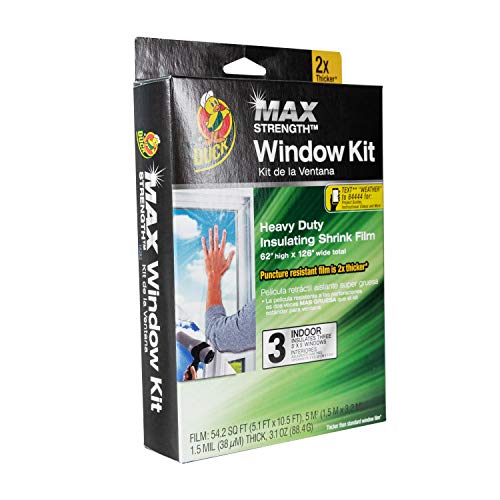
Top pick: Duck MAX Strength Heavy Duty Insulating Film Window Kit, 3-Window

Roundup / Best window tape
The best weather stripping tape for windows
Tape, V-strip and rope caulk placed by gap and by where on the window they can survive.

Top pick: Frost King EPDM Rubber Self-Stick Weatherseal Tape, D-Section, 5/16 in x 1/4 in x 17 ft

Roundup / Best AC window seals
Sealing the gaps around a portable AC window kit
Summer's version of the same problem: the three gaps a portable AC leaves, and the foam that closes each.
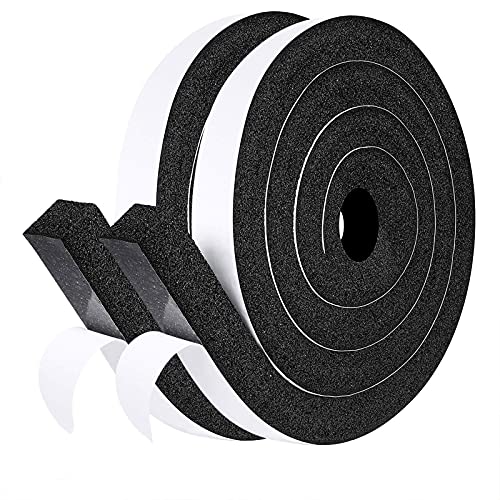
Top pick: fowong AC Window Seal Foam Tape, 1 in x 1 in, 6.5 ft x 2

Roundup / Best window draft stopper
The best window draft stoppers, and when to buy something else
A laid tube blocks bulk air; weatherstrip seals the gap. Which you need takes thirty seconds to work out, and most people need the cheaper one.

Top pick: Kneelisa T-Shape Sash Window Weather Stripping, 118 in

Roundup / Best window AC cover
The best window air conditioner covers for winter
An indoor cover blocks the air path; an outdoor one protects the machine. And the accordion side panels leak more than either addresses.
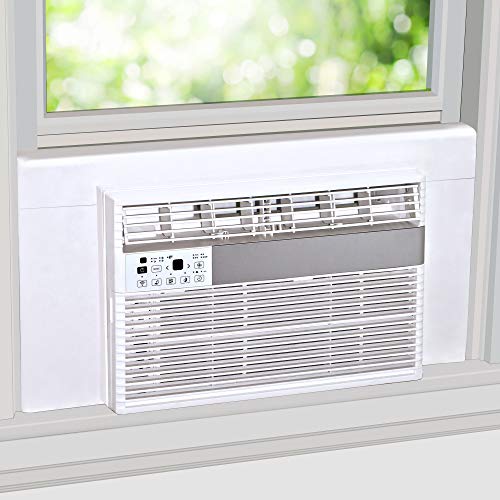
Top pick: Breeze Stop Surround Insulation Side Panels for Window AC Units
Roundup / Best magnetic window insulation kit
The best magnetic window insulation kits, for windows that still have to open
Film you can lift off and put back, for the windows you actually open. Roughly ten times the per-window cost of shrink film, and worth it in exactly one situation.

Top pick: JOOFAN Magnetic Window Insulation Kit, fits up to 56 x 35 in

Roundup / Best casement window weather stripping
The best weather stripping for casement windows, matched to the groove you actually have
Casements compress shut, so they take a bulb gasket. Match the bulb size and the groove type.

Top pick: Seal Supply Bulb Kerf Mount Window Gasket, 5/16 in, 17 ft, White
Roundup / Best rope caulk
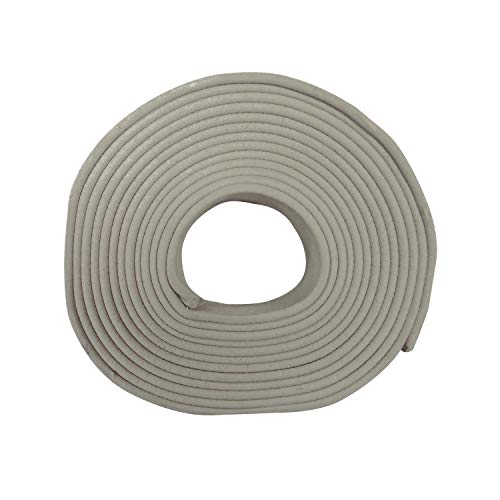
The best rope caulk and caulking cord, and how much of it you actually need
No tools, no cure, nothing to fail. Seals a window for one winter and peels out in spring.
Top pick: Frost King B2 Mortite Fingertip Caulking Cord, 1/8 in x 90 ft
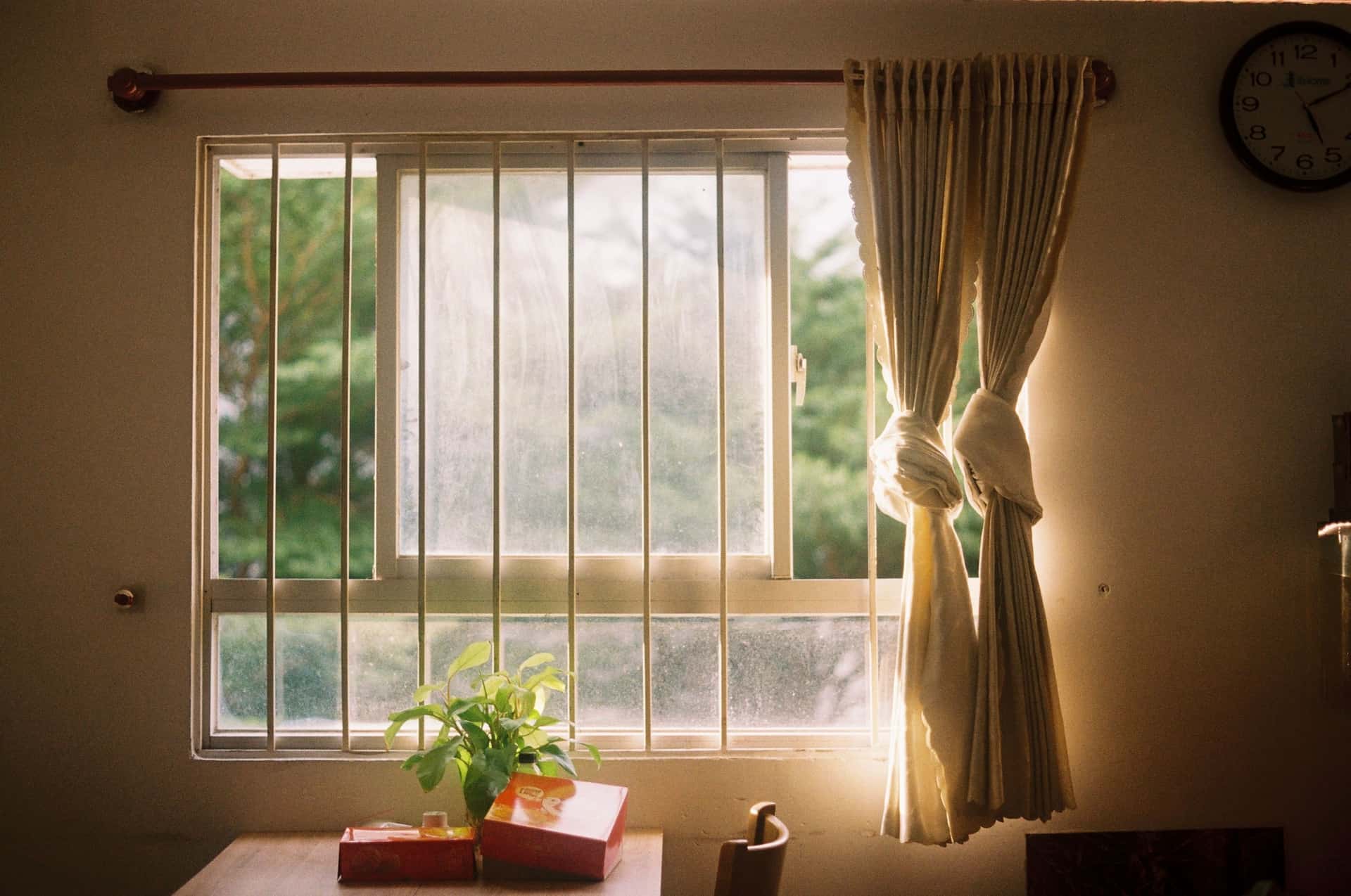



Windows are where most people start hunting drafts and they are rarely the largest hole in a house. They are, however, where the cold is most obvious: glass is a poor insulator, so even a perfectly sealed window feels cold to sit beside, and it is easy to blame a draft for what is actually radiant loss.
Telling those two apart is the first useful thing you can do. Stand a foot from the window on a cold evening. If you feel moving air on your face, that is infiltration and it is a sealing problem. If the air is still but the side of you facing the window feels cold, that is your body radiating heat to a cold pane, and no amount of weatherstrip will change it.
The order of work
- 1Tighten the sash lock. On a double-hung window the lock clamps the two sashes together at the meeting rail. Loose, misaligned or painted, it leaves that joint open across the whole width. This costs nothing and is often the biggest single win.
- 2Find the leaks with an incense stick and the extractor fans running. Mark them.
- 3Seal the sash — V-strip in the channels, a thin bulb seal where the sash closes onto the frame.
- 4Caulk the perimeter where the frame meets the wall. On old houses this is frequently open into the wall cavity and it is a bigger hole than every sash gap combined.
- 5Film the window last, if it can stay shut for the season. Film adds an insulating layer; it does not replace the sealing above it.
Which product, and the question that decides it
Everything in this hub comes down to one question: does this window still have to open? Egress windows in bedrooms, kitchen windows over a hob, bathroom windows — those must stay usable, which rules out film and rope caulk and leaves V-strip and bulb seals. Everything else in the house can be sealed shut for the season, and sealing shut is both cheaper and more effective.
| Product | Window still opens? | Best on | See |
|---|---|---|---|
| V-strip in the sash | Yes | Windows in daily use | Window tape |
| Bulb seal on the frame | Yes | The sill under a lower sash | Window tape |
| Rope caulk | No | Old wooden sash with irregular gaps | Rope caulk vs V-seal vs film |
| Shrink film | No | Single-pane windows in a cold room | Film kits |
| Thermal curtains | Yes | Radiant cold from a big pane | Film vs curtains |
Old windows are not automatically the problem
An original wooden double-hung window that has been maintained can be sealed to perform respectably, and the combination of rope caulk in the sash plus film over the opening is genuinely effective on single glazing. Replacement is a large expense with a long payback, and the sealing work in this hub costs a fraction of one window.
Modern sealed units are a different case. If yours is misted internally, its seal has failed and its gas fill is gone — film is worth trying there. If it is clear and the frame is sound, sealing the sash is worth doing and film mostly is not, because the still-air layer film creates is already inside the unit and better.
What to leave alone
- Weep holes. The small drainage slots in a vinyl or aluminum frame exist to let rainwater out. Sealed, they hold water in.
- Trickle vents, if your windows have them. Blocking them moves a moisture problem somewhere you cannot see it.
- Your bedroom egress window. One window per bedroom must open. Do not film it and do not rope-caulk it.
Renting? Everything here has a version that leaves no trace: renter-friendly draft fixes covers the four that come out clean at move-out.
Questions people actually ask
- What is the cheapest way to stop a drafty window?
- Tightening the sash lock, which is free, then rope caulk, which is a few dollars for ninety feet. Between them those two handle most old double-hung windows before you spend anything on film.
- Is window film or weather stripping better?
- They do different things. Weather stripping closes the air paths in the sash and lets the window still open. Film adds an insulating still-air layer across the whole window and seals it shut. On a cold single-pane window, doing both is best.
- When should I seal my windows for winter?
- Early fall, while it is still above about 50 F. Pressure-sensitive adhesives need warmth to bond, and waiting for the first cold snap is why so many seals fail within a month.
Sources
- Duck Brand — window insulation kits, published range and mechanism
- Frost King — weatherstripping product range
Every specification on this page traces to a published manufacturer or retailer listing. Where a maker publishes no working gap range, we say so rather than estimating one.