05 / ATTIC
The attic hatch: the hole at the top of the house
Warm air escapes at the highest opening and pulls cold air in everywhere below it. That makes an unsealed attic hatch the most leveraged thing on this site.
Not sure which product your opening takes? Start with pull-down stairs vs a scuttle hatch — the two need different things.
We earn a commission on some links here, at no extra cost to you. It does not change what we recommend or the order they appear in. How we are funded
Everything in attic
Roundups first, then the type comparisons, then the how-to guides.
Roundup / Best attic covers
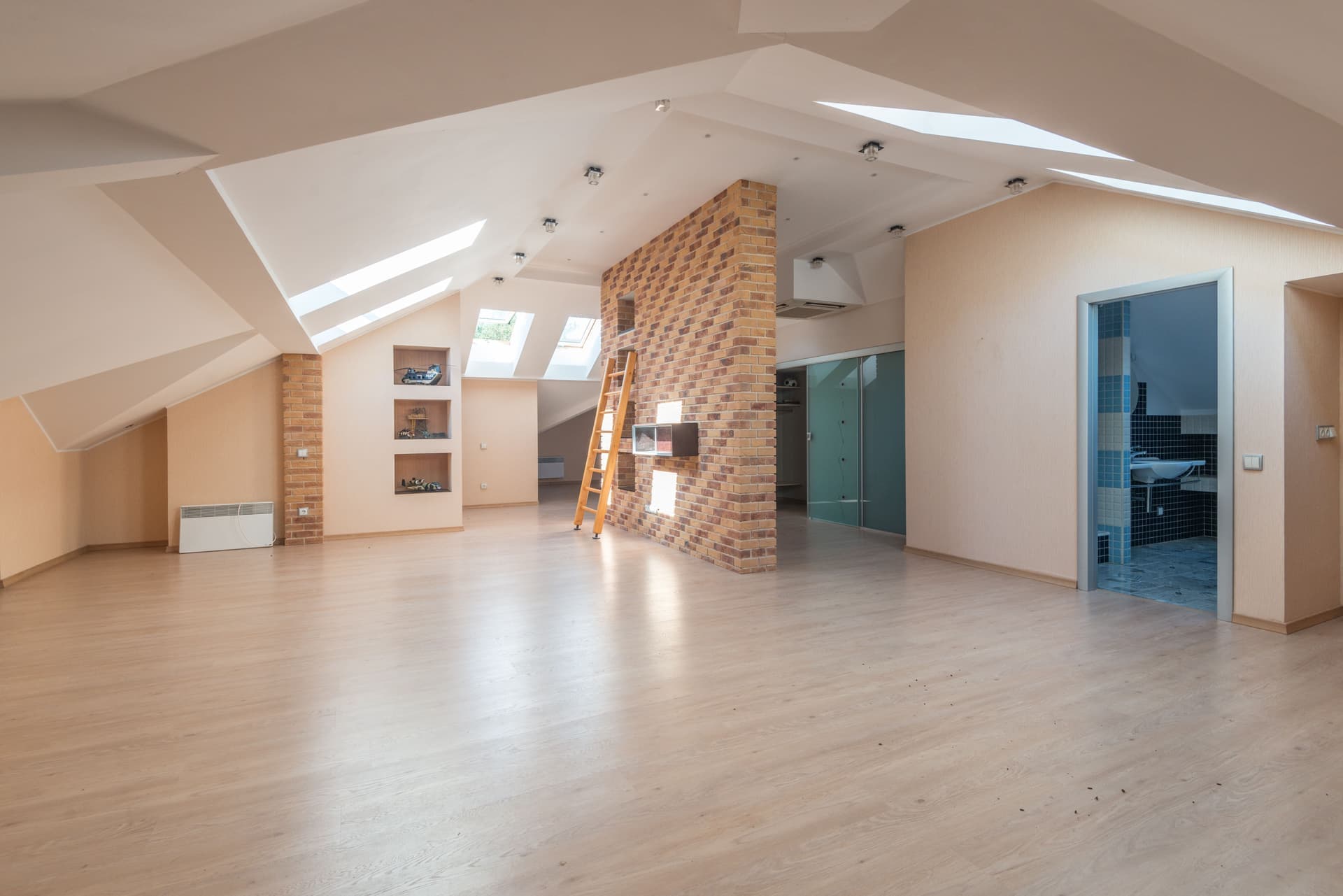
The best attic hatch and pull-down stair covers
Covers and stair tents by published size and R-value — including the one whose maker honestly publishes none.

Top pick: Miloo Attic Door Insulation Cover, 25 x 54 x 11 in, R-15.6

Roundup / Best recessed light cover
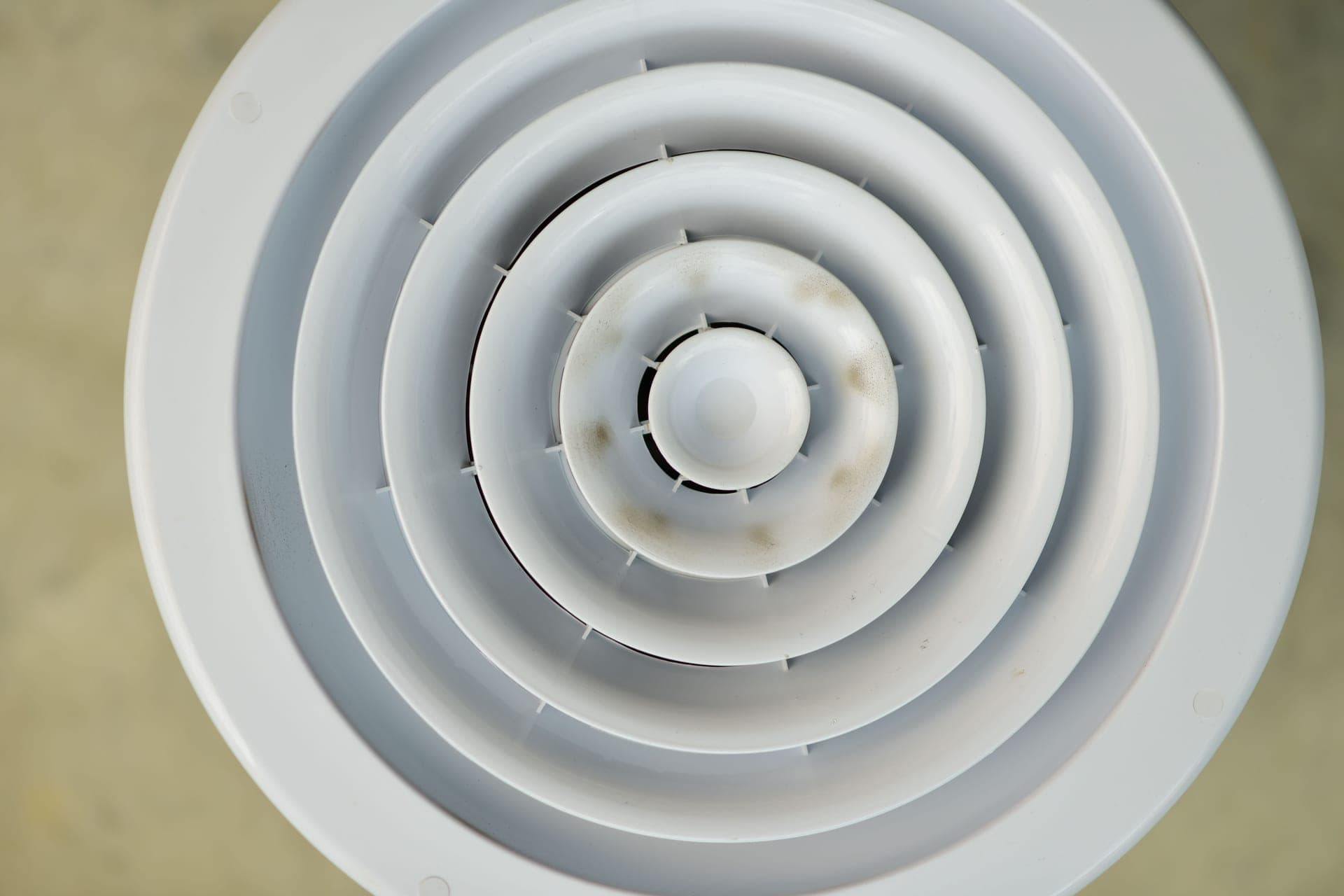
The best recessed light covers for sealing an attic ceiling
Every can light in a top-floor ceiling is a small chimney. Which covers publish a fit and a rating — and the fixture label you must read first.

Top pick: janaa CX5 Recessed Light Covers, fits up to 6 in downlights, 10 Pack
Roundup / Best whole house fan cover
The best whole house fan covers for winter
The louvers seal against nothing, so a closed shutter is still an open hole. Which covers publish a shutter size, and where to fit them.
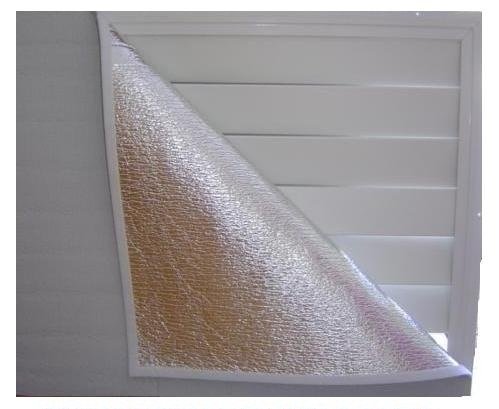
Top pick: Battic Door Whole House Attic Fan Shutter Seal Cover, fits up to 36 x 48 in


Of everything covered on this site, the attic hatch is the one where the effort-to-result ratio is most lopsided. It is usually a sheet of plywood resting in a frame, or a pull-down stair assembly with a thin door, and in a great many houses it is sealed by nothing at all.
It also sits at the top of the house, which is where it does the most damage. Warm air rises and escapes through the highest opening it can find, and an equal volume of cold air is drawn in through every gap below to replace it. That is the stack effect, and it is why the draft you feel at ankle height in the hallway can be caused by a hole in your ceiling. The full explanation is in why is my house so drafty.
The two openings, and why the distinction matters
Almost every attic access falls into one of two types, and they take different products. Getting this wrong is the main way money gets wasted in this category.
| Type | What it looks like | What it takes |
|---|---|---|
| Scuttle hatch | A removable panel in the ceiling, often plywood, no stairs | A rigid insulated cover or box over it, plus weatherstrip on the frame it rests on |
| Pull-down stairs | A hinged door with a folding ladder attached | A tent or cover over the whole framed opening, fitted from inside the attic |
| Walk-up stairs with a door | A proper door at the top or bottom of a stair | Treat it as an exterior door — weather stripping and a door sweep |
Two jobs, not one
This is the point most guides skip, and it is the reason people fit a cover and still feel a draft. Sealing an attic access is two separate jobs, and a cover only does one of them.
- 1The opening. A cover or tent over the hatch or stair opening slows heat moving up through it. This is what the products in this hub mostly are.
- 2The perimeter. The joint where the hatch panel or stair door rests on its frame is a straight air path, and no cover placed over the top closes it. It takes weatherstrip on the frame, exactly like a door. See attic hatch weatherstripping.
Do the perimeter and skip the cover and you have closed the air leak but not the heat loss. Do the cover and skip the perimeter and air still moves freely around the panel. The two together are the fix; either alone is half of it.
What the numbers do and do not tell you
Several products in this category publish an R-value and several publish nothing. R-value describes resistance to heat conduction — useful, real, and worth comparing between products that publish it. It says nothing about air leakage, which on an unsealed hatch is usually the larger problem.
So treat a published R-value as one number among several rather than the score. A cheap cover that seals the opening properly can outperform an R-15 tent installed over a frame that still leaks around its edge. Where a maker publishes no R-value we say so on the product rather than guessing one, and one of our picks is notable precisely because its maker declines to claim a rating it cannot support.
Safety, briefly, because this one has real hazards
- Do not cover or bury recessed lights in the ceiling below with insulation unless they are rated for it. Non-IC-rated fittings need clearance.
- Keep insulation clear of a chimney or flue passing through the attic.
- Work on boards, not on the ceiling. The plasterboard between joists will not hold you.
- Wear a mask and gloves. Old attic insulation is not something to breathe.
- Do not block soffit or roof ventilation. The attic is supposed to be ventilated to outside; you are sealing the ceiling below it, not the roof.
That last one catches people out. The goal here is to separate your heated rooms from the attic, not to make the attic airtight. A well-sealed ceiling and a well-ventilated attic are the correct combination.
Questions people actually ask
- Is insulating the attic hatch worth it?
- It is one of the highest-return sealing jobs in a house, because the hatch sits at the top where the stack effect pulls hardest and is very often sealed by nothing at all. It is also cheap and takes an afternoon.
- Do I need both a cover and weatherstripping?
- Yes, and this is the most common mistake in this category. The cover slows heat moving up through the opening; the weatherstrip closes the air path where the panel or door meets its frame. Each does a job the other does not.
- Does an attic hatch cover need an R-value?
- A published R-value is useful for comparing products that state one, but it only describes conduction. On an unsealed hatch, air leakage is usually the bigger loss — so a cover that seals the opening well can beat a higher-R product fitted over a leaky frame.
Sources
- Duck Brand — Attic Stairway Cover product page (published fit; no R-value claimed)
- Frost King — weatherstripping range used for hatch perimeter sealing
Every specification on this page traces to a published manufacturer or retailer listing. Where a maker publishes no working gap range, we say so rather than estimating one.