03 / GARAGE
Sealing the sides and top of a garage door
Everyone replaces the bottom seal. Almost nobody does the jambs and the header, which together are usually a bigger hole and cost less to close.
We earn a commission on some links here, at no extra cost to you. It does not change what we recommend or the order they appear in. How we are funded
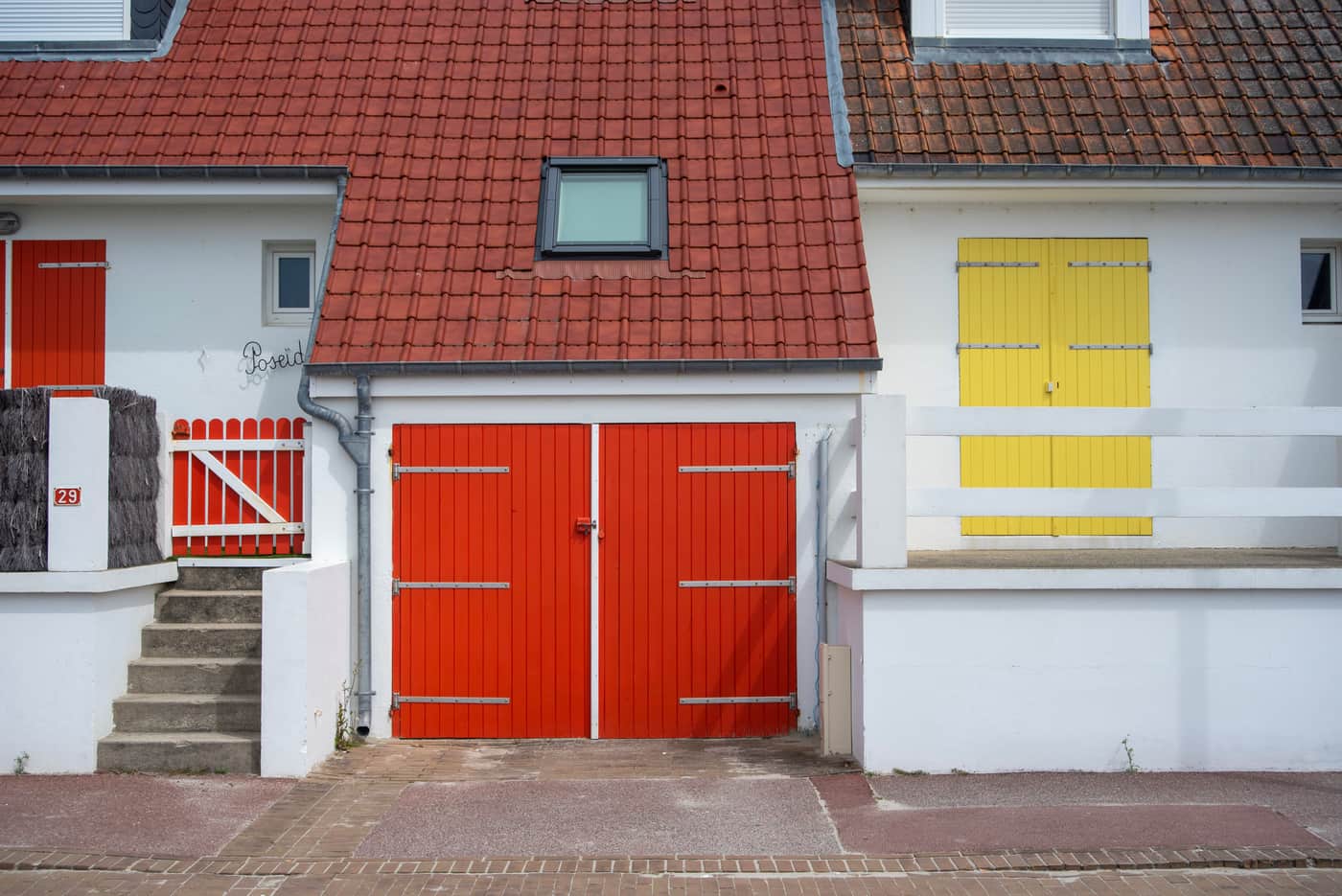
Side and top seals are flexible vinyl or rubber trim strips nailed to the jambs and header so the flange presses against the closed door face. Measure the two jambs plus the header, add a foot, and buy that length. Set the flange so it touches under light pressure — too much and the door binds.
Stand inside a closed garage on a bright day and look up the side jambs. On most houses there is a visible line of light down at least one of them, and often across the top. Added up, that is frequently more open area than the bottom of the door, and unlike the bottom it costs about twenty dollars to fix.
Work out the length you need
- 1Measure the height of one jamb from the floor to the header.
- 2Double it — you have two sides.
- 3Add the width of the opening for the header run.
- 4Add a foot for cutting and corners.
- 5A typical 7 ft high, 16 ft wide double door works out at about 31 ft. A single 7 x 9 ft door is about 24 ft.
Fitting: the flange pressure is the whole job
- 1Close the door. Everything is fitted against the closed door, not the open one.
- 2Hold the trim seal against the jamb so the flexible flange just touches the door face — enough to make contact along its length, not enough to bow.
- 3Nail the top first with a galvanized nail, then work down, checking contact every couple of feet.
- 4Do the header last, overlapping the tops of the two side pieces so water runs outward.
- 5Open and close the door twice. If it binds or the flange folds under, back the seal off a quarter inch and re-nail.
Common mistakes
- Fitting against an open door. The seal ends up nowhere near the door face when it is shut.
- Too much flange pressure. The door binds, the opener strains, and the flange creases permanently within a month.
- Butting the header piece between the sides rather than overlapping over them, so water runs into the joint instead of over it.
- Using vinyl in a severe climate. It stiffens and can crack at the nail line. The rubber version costs a little more.
- Ignoring the jamb itself. If the wooden jamb is rotten, no seal nailed to it will hold. Fix the wood first.
While you are in there
The garage is usually a house's biggest uncontrolled space, and the door is only part of it. Two other checks worth five minutes each: the person door out to the yard, which takes an ordinary door sweep, and the door from the garage into the house, which is often the leakiest interior door in the building — that one has its own page at drafty door to the garage.
Quick picks
Ranked for fit, not for hype. Tap a row to jump to the full write-up, or go straight to the listing.
| # | Product | Best for | Gap range | Price |
|---|---|---|---|---|
| 1 |  M-D Garage Door Top and Sides Seal, 30 ft x 1-1/2 inThirty feet of vinyl trim seal — enough for the top and both sides of a double door in one purchase. | Doing the whole opening | Published 1-1/2 in flexible vinyl flange; overlaps the door face to close the jamb gap | $22.25 · CHECK ON AMAZON |
| 2 |  Elvone Garage Door Top and Side Seal with Nails, 40 ft, WhiteForty feet with the nails actually in the box — enough to do a double opening's header and both jambs without a second order or a trip for fixings. | Longest run, nails included | Not published as a working gap range; published as a 40 ft roll | $29.99 · CHECK ON AMAZON |
| 3 |  M-D Building Foam Top and Sides Door Seal for Kerf/Channel, 40 ftThe seal for the other kind of jamb: where the stop has a machined slot rather than a flat face, this foam seal pushes into the kerf instead of being nailed on top of it. | A jamb with a kerf slot instead of flat trim | Not published as a working gap range; published as a 40 ft roll | $17.99 · CHECK ON AMAZON |
#ad · how we are funded · price as of October 17, 2026
Doing the whole opening
M-D Garage Door Top and Sides Seal, 30 ft x 1-1/2 in
Published gap range
Published 1-1/2 in flexible vinyl flange; overlaps the door face to close the jamb gap
#ad · how we are funded · price as of October 17, 2026
Thirty feet of vinyl trim seal — enough for the top and both sides of a double door in one purchase.
Where the number comes fromM-D publishes the length (30 ft) and the width (1-1/2 in) and states nails are not included. A trim seal does not have a gap range: you nail it so the flange presses against the closed door, which is why install position matters more than the section here.
- Published length
- 30 ft
- Published width
- 1-1/2 in
- Material
- Flexible vinyl
- Fixings
- Nails NOT included
- Cut
- To length
- Mounting
- Nailed to the jamb (nails not included)
What it does well
- One roll does the top and both sides of a double door
- Vinyl flange conforms to a jamb that is not perfectly straight
- Cut-to-length install with a utility knife
Where it fails
- Nails are not in the box — buy galvanized ones at the same time
- Vinyl stiffens in deep cold and can crack if you slam the door
- Get the flange pressure wrong and the door will not close
Who this is forA garage where you can see daylight down the sides as well as under the door.
Longest run, nails included
Elvone Garage Door Top and Side Seal with Nails, 40 ft, White
Published gap range
Not published as a working gap range; published as a 40 ft roll
#ad · how we are funded · price as of October 17, 2026
Forty feet with the nails actually in the box — enough to do a double opening's header and both jambs without a second order or a trip for fixings.
Where the number comes fromNo maker in this category publishes a working gap range, and this one is no exception. What is published is the length: 40 ft, which covers a double opening (roughly 30 ft) with real margin. Judge the flap against your own door-to-jamb gap by eye before committing the roll.
- Published length
- 40 ft
- Fixings
- Nails included
- Use
- Top and sides
- Finish
- White
- Published gap range
- None
- Mounting
- Nailed to the stop trim around the opening (nails included)
What it does well
- 40 ft does a double opening with margin, which is where the shorter rolls run out
- Nails in the box, so the job does not stall for fixings
- White matches the painted stop trim most garage openings actually have
Where it fails
- No published working gap range, so the flap depth has to be eyeballed against your gap
- No named manufacturer data sheet behind the specification
- White shows the dirt line along a garage opening within a season
Who this is forA double garage door whose perimeter seal is being replaced all round.
A jamb with a kerf slot instead of flat trim
M-D Building Foam Top and Sides Door Seal for Kerf/Channel, 40 ft
Published gap range
Not published as a working gap range; published as a 40 ft roll
#ad · how we are funded · price as of October 17, 2026
The seal for the other kind of jamb: where the stop has a machined slot rather than a flat face, this foam seal pushes into the kerf instead of being nailed on top of it.
Where the number comes fromBefore ordering, look at the stop your old seal came off. A nailed trim seal sits on a flat wooden stop. A kerf seal pushes into a narrow machined groove in the jamb — common on steel and pre-hung frames. They are not interchangeable, and buying the wrong one is the usual reason a perimeter seal will not stay put.
- Published length
- 40 ft
- Fitting
- Kerf / channel, not nailed
- Material
- Foam
- Finish
- White
- Published gap range
- None
- Mounting
- Pushed into the kerf slot in the jamb
What it does well
- Fits the kerfed jambs that a nailed trim seal cannot serve at all
- 40 ft covers a double opening in one roll
- No nails, so nothing splits the stop trim
Where it fails
- **Only works on a jamb with a kerf slot.** On a flat wooden stop it has nothing to grip
- Foam is less durable outdoors than a vinyl or rubber trim flange
- No published working gap range, which is true across this whole category
Who this is forA garage or service door whose jamb has a machined slot rather than flat trim.
How we picked
- Length requirements are calculated from the actual opening, not from a kit's marketing.
- Products placed by published length and material, with the cold-climate caveat stated.
We have not tested these products and we do not claim to have. The full method, including what we refuse to claim, is on how we pick.
Questions people actually ask
- How do I seal the top and sides of a garage door?
- Nail a flexible vinyl or rubber trim seal to the jambs and header with the flange pressing lightly against the closed door face. Fit with the door closed, start at the top of each side, and overlap the header piece over the side pieces so water sheds outward.
- How much side seal do I need for a garage door?
- Twice the jamb height plus the opening width, plus about a foot for cutting. A 7 ft by 16 ft double door needs around 31 ft; a 7 ft by 9 ft single needs about 24 ft.
- Should the garage door seal touch the door?
- Yes, lightly. The flange should make contact along its whole length without bowing. Too much pressure makes the door bind and creases the flange permanently.
- Do garage door side seals come with nails?
- Often not — several published listings state nails are not included. Buy galvanized or stainless nails at the same time, since these strips live on an exterior jamb that gets wet.
Sources
- M-D Building Products — published 30 ft x 1-1/2 in vinyl top and sides seal, nails not included
- M-D Building Products — vinyl garage door top and sides seal product page
Every specification on this page traces to a published manufacturer or retailer listing. Where a maker publishes no working gap range, we say so rather than estimating one.
Read next
The best garage door bottom seals
Rubber and EPDM seals by published length and fixing type, plus the case where a bottom seal is the wrong buy.
Rubber, vinyl or brush: garage door seal materials
Three materials, three positions on the door. Getting them the wrong way round makes things worse.
The drafty door between the house and the garage
Thermally an exterior door, treated like an interior one. Seal it properly — and keep the closer working.
The best garage door side and top seals
The three edges people skip after doing the bottom. What each roll publishes, and how much length a single and a double opening really need.