03 / GARAGE
Bottom seal or threshold seal?
The core decision in this whole hub, and it is settled in thirty seconds by looking along the bottom of your closed door on a bright day.
We earn a commission on some links here, at no extra cost to you. It does not change what we recommend or the order they appear in. How we are funded
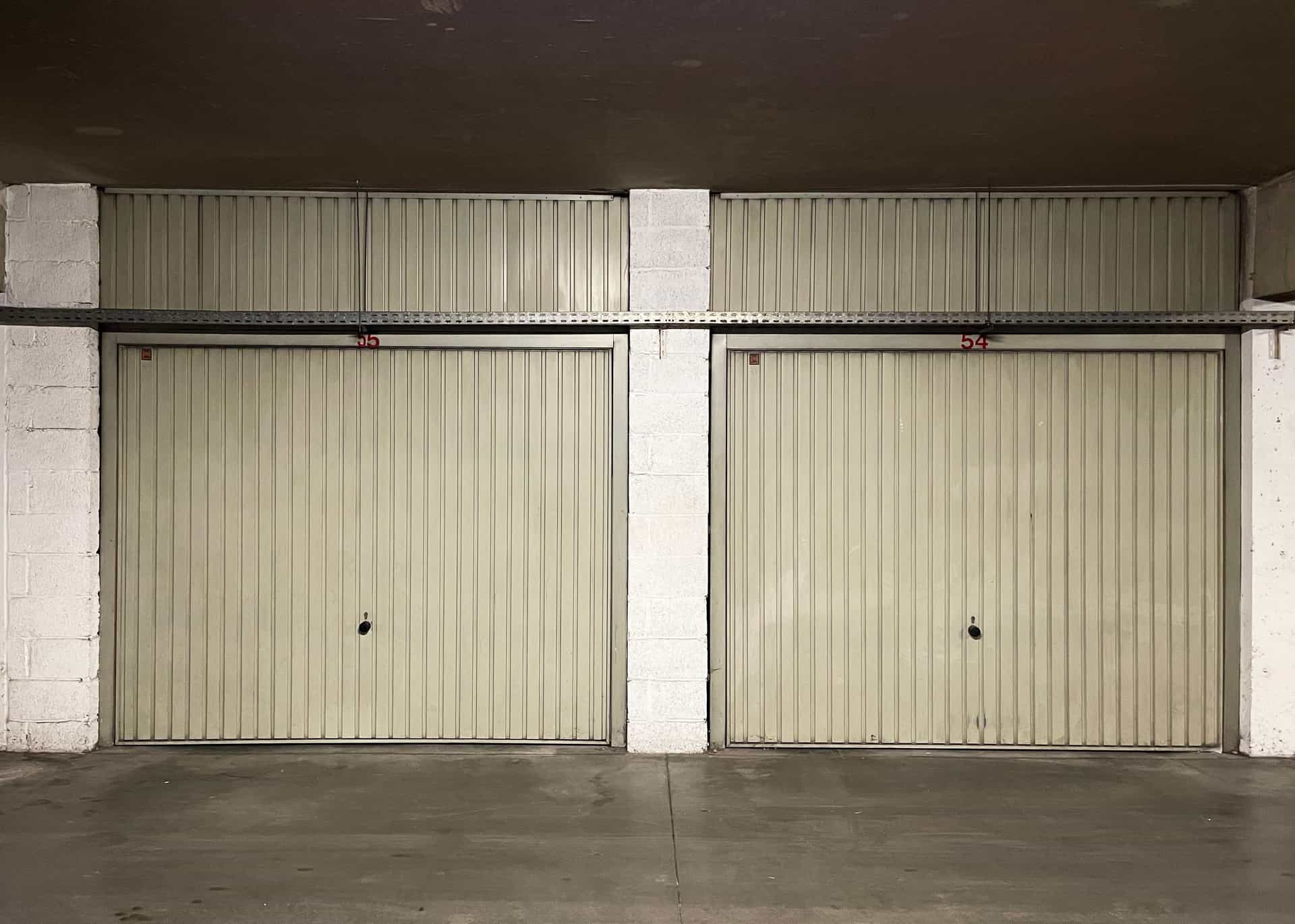
A bottom seal attaches to the door and moves with it, so it fixes a worn or perished seal on a flat floor. A threshold seal bonds to the slab and the door closes onto it, so it fixes an uneven, sloped or worn floor. Look along the closed door in daylight: an even line of light means bottom seal, uneven light means threshold.
| Bottom seal | Threshold seal | |
|---|---|---|
| Attaches to | The bottom edge of the door | The garage floor |
| Fixes | A worn or missing door seal | An uneven, sloped or worn slab |
| Moves with the door? | Yes | No |
| Reversible? | Yes — slides or unscrews | No — bonded to the concrete |
| Tire bump? | None | Yes, every time you drive in |
| Stops wind-driven rain? | On a flat floor, mostly | Better — it is a raised dam |
| Typical effort | 20-30 minutes | An afternoon plus cure time |
| Cost band | Lower | Higher |
The daylight test
- 1Pick a bright day. Close the door fully and stand inside with the lights off.
- 2Look along the bottom edge, from one corner to the other, with your eye near floor level.
- 3Even light along the whole width — the seal on the door is worn or gone. Bottom seal.
- 4Light in the middle, dark at the ends — the slab dips in the middle. Threshold.
- 5Light at one corner only — the slab slopes, or the door is out of square. Threshold, and check the door's tracks while you are at it.
- 6No light at all but you still feel a draft — the leak is the sides or the head. See side and top seals.
Pick this if
- Even light, sound slab, retainer intact — bottom seal, slide-in type. Cheapest and fastest.
- Even light, no retainer — bottom seal, nailed type.
- Uneven light, or water coming in at one corner — threshold seal, and expect an afternoon's work plus cure time.
- Both problems at once — do both. The threshold levels the surface; the bottom seal takes up what is left.
- A rented or shared garage — bottom seal only. A threshold is a permanent alteration to somebody else's slab.
Quick picks
Ranked for fit, not for hype. Tap a row to jump to the full write-up, or go straight to the listing.
| # | Product | Best for | Gap range | Price |
|---|---|---|---|---|
| 1 |  M-D Building Products 03749 Rubber Garage Door Bottom Seal, 16 ftSixteen feet of rubber bottom seal from the maker most garage doors already have on them — the straight replacement. | A standard double garage door | Seals the door-to-slab gap on a flat floor; 16 ft covers a standard double door | $15.99 · CHECK ON AMAZON |
| 2 |  Storm Shield Garage Door Threshold Seal Kit, 16 ftThis is the part for a floor that is not flat: it bonds to the slab and the door closes onto it, so the seal follows the concrete instead of fighting it. | Uneven or sloped garage floors | 16 ft; published to conform to most floor surfaces including slightly uneven or sloped slabs | $78.26 · CHECK ON AMAZON |
| 3 | 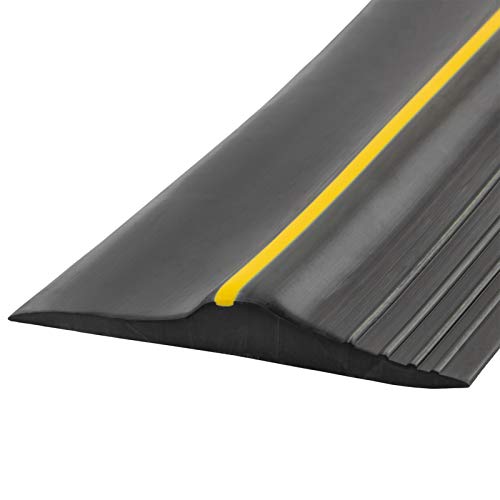 Papillon Garage Door Bottom Seal Strip, EPDM Rubber, 20 ftEPDM rather than generic rubber, in lengths up to 20 ft, and it slides into the existing retainer with no adhesive at all. | Long doors and cold climates | Fits standard door retainers; 20 ft covers an oversized double door | $43.97 · CHECK ON AMAZON |
#ad · how we are funded · price as of October 17, 2026
A standard double garage door
M-D Building Products 03749 Rubber Garage Door Bottom Seal, 16 ft
Published gap range
Seals the door-to-slab gap on a flat floor; 16 ft covers a standard double door
#ad · how we are funded · price as of October 17, 2026
Sixteen feet of rubber bottom seal from the maker most garage doors already have on them — the straight replacement.
Where the number comes fromM-D publishes the length (16 ft) and the rubber construction, and states the seal stays flexible in extreme temperatures. It publishes no maximum gap: a bottom seal closes what the door leaves when it is down, and a sloping slab needs a threshold seal instead.
- Published length
- 16 ft
- Material
- Rubber
- Fixing
- Nails or screws
- Maker's claim
- Stays flexible in extreme temperatures
- Blocks
- Drafts, moisture, dust, insects
- Mounting
- Nails or screws to the bottom of the door
What it does well
- Covers a standard 16 ft double door in one piece
- Rubber rather than vinyl, so it does not go rigid in January
- Fixings are ordinary nails or screws, not a proprietary track
Where it fails
- A bottom seal cannot fix an uneven slab — that is a threshold-seal job
- Nailing into a steel door needs the right fastener
- No published gap tolerance
Who this is forA 16 ft double garage door on a flat slab with a perished seal.
Uneven or sloped garage floors
Storm Shield Garage Door Threshold Seal Kit, 16 ft
Published gap range
16 ft; published to conform to most floor surfaces including slightly uneven or sloped slabs
#ad · how we are funded · price as of October 17, 2026
This is the part for a floor that is not flat: it bonds to the slab and the door closes onto it, so the seal follows the concrete instead of fighting it.
Where the number comes fromStorm Shield publishes that the flexible PVC conforms to most floor surfaces and helps create a tight seal even on slightly uneven or sloped garages, with a high-strength adhesive included. That published claim is exactly why a threshold seal beats a bottom seal on bad concrete.
- Published length
- 16 ft
- Material
- Heavy-duty PVC rubber
- Adhesive
- Included
- Published for
- Slightly uneven or sloped floors
- Blocks
- Water, drafts, leaves, dust, pests
- Mounting
- Adhesive (included) to the garage floor
What it does well
- Publishes an uneven-floor claim rather than leaving you to guess
- Adhesive in the box; no separate epoxy run
- Also stops wind-driven rain, which a bottom seal on a sloped slab will not
Where it fails
- Permanent — you are bonding PVC to your slab
- The floor has to be clean, dry and above the adhesive's minimum temperature
- You will feel it under the tires every time you drive in
Who this is forA 16 ft door on a slab that dips, slopes, or has a worn apron.
Long doors and cold climates
Papillon Garage Door Bottom Seal Strip, EPDM Rubber, 20 ft
Published gap range
Fits standard door retainers; 20 ft covers an oversized double door
#ad · how we are funded · price as of October 17, 2026
EPDM rather than generic rubber, in lengths up to 20 ft, and it slides into the existing retainer with no adhesive at all.
Where the number comes fromPapillon publishes the material (EPDM), the lengths (10, 16, 16.5 and 20 ft) and that no adhesive or sealant is included or needed. It publishes no gap figure — the seal's compression is set by the retainer your door already has.
- Material
- EPDM rubber
- Published lengths
- 10, 16, 16.5, 20 ft
- Adhesive
- None required
- Fit
- Standard door retainers
- Claim
- Withstands extreme temperature exposure
- Mounting
- Slides into the existing bottom retainer
What it does well
- EPDM is the right polymer for something that sits on cold concrete all winter
- No adhesive, no nails — it slides in
- Four published lengths, so you buy the door you have
Where it fails
- Only works if your door has an intact retainer track
- Slides out again if the retainer ends are not capped
- No published gap figure
Who this is forA door with a good retainer track and a seal that has gone hard.
How we picked
- Compare on the one axis that decides it: whether the irregularity is in the door or in the floor.
- Every product placed against its own published length and material.
We have not tested these products and we do not claim to have. The full method, including what we refuse to claim, is on how we pick.
Full ranked lists for each: best garage door bottom seals and best garage door threshold seals.
Questions people actually ask
- What is the difference between a garage door bottom seal and a threshold seal?
- The bottom seal attaches to the door and travels with it; the threshold seal bonds to the floor and the door closes onto it. Bottom seals fix worn door seals, threshold seals fix uneven floors.
- Can I use both a bottom seal and a threshold seal?
- Yes, and on a bad opening it is the right approach. The threshold gives the door a level surface to close onto; the bottom seal takes up the remaining irregularity.
- Which is better for keeping water out?
- A threshold, because it stands proud of the floor and acts as a low dam against run-off and wind-driven rain. Neither will hold back standing water from a driveway that slopes toward the garage.
- Do I need to remove the old bottom seal first?
- For a bottom seal replacement, yes — pull the old one out of the retainer and clean the channel. For a threshold, the existing bottom seal usually stays; the door simply closes onto the new strip.
Sources
- Storm Shield — published conformance to slightly uneven or sloped floors
- M-D Building Products — published 16 ft rubber bottom seal
Every specification on this page traces to a published manufacturer or retailer listing. Where a maker publishes no working gap range, we say so rather than estimating one.
Read next
The best garage door bottom seals
Rubber and EPDM seals by published length and fixing type, plus the case where a bottom seal is the wrong buy.
The best garage door threshold seals
Floor-bonded strips for a slab that dips or slopes, with published load ratings and the prep that decides the bond.
Sealing a garage door on an uneven floor
Measure the dip first. Past about a quarter inch, only a floor-bonded threshold can close it.
The best garage door side and top seals
The three edges people skip after doing the bottom. What each roll publishes, and how much length a single and a double opening really need.
Garage door bottom seals by brand, and what universal really means
Clopay takes a T-end, Wayne Dalton a round bead, and they do not swap. Read your retainer in ten seconds.